
Kratom use is on the rise in Wyoming and across the United States. Kratom is a highly addictive drug and users can quickly develop a kratom addiction, but Wyoming Recovery is here to help, with inpatient and outpatient Kratom addiction treatment options.
Kratom binds to the same opioid receptors in the brain as other opioids, and once a person is addicted to kratom, a person will experience the same severe withdrawal symptoms as other opioids once they try to stop taking it. It’s this severe withdrawal that generally keeps people coming back to the substance.
At Wyoming Recovery, we treat patients addicted to kratom and other opioids. Our kratom addiction treatment clinic in Casper, WY, provides safe and effective treatments for kratom addiction, including medically supervised prescription drug treatments like buprenorphine-naloxone (Suboxone). To take control of your addiction by getting into one of our kratom addiction treatment programs, fill out this form or call a case manager at (307) 265-3791 to start the admissions process.
What Is Kratom?
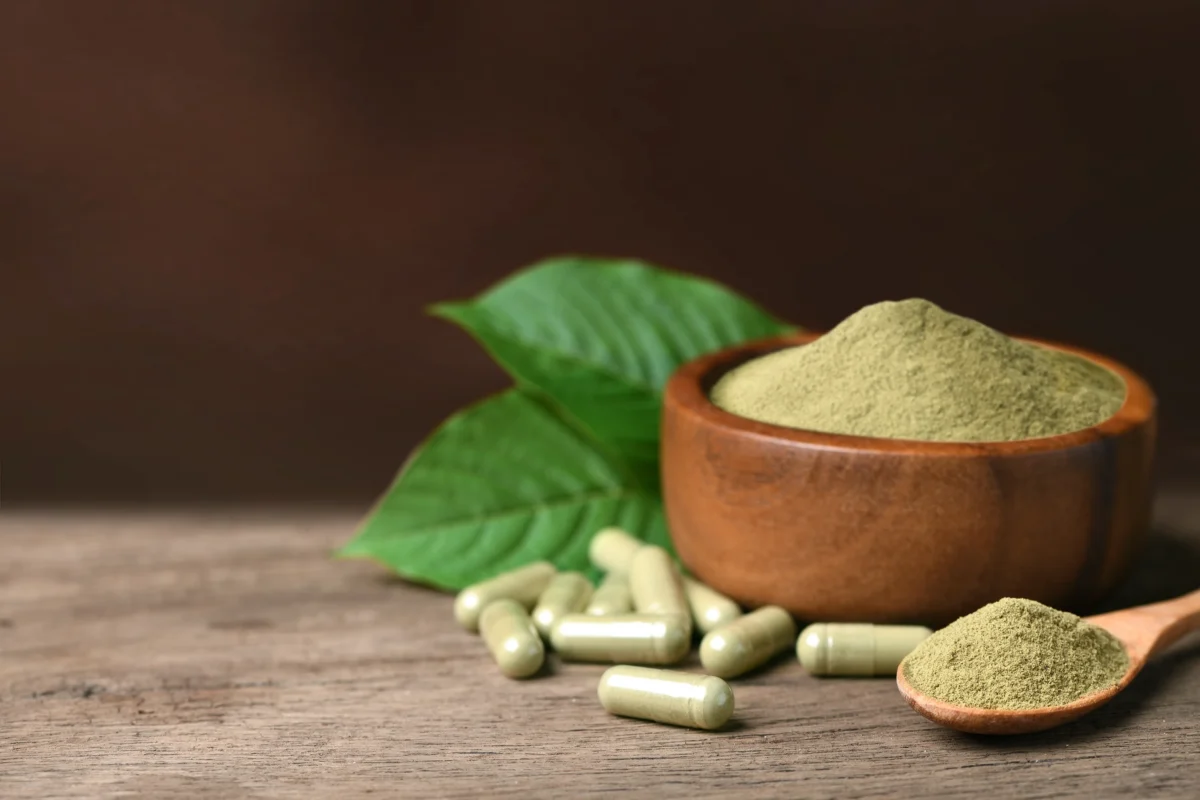
Kratom is a substance derived from the leaves of the Mitragyna speciosa plant. It is generally refined and concentrated into different products that are sold as herbal supplements, including pills, powders, teas, tinctures, and even vapes.
At low doses, kratom can act as a stimulant, increasing energy and alertness. At higher doses, it produces sedative and pain-relieving effects similar to opioids such as morphine or hydrocodone. Because of these effects, kratom has been used both recreationally and as a self-treatment for chronic pain or opioid withdrawal. It works by binding to the same opioid receptors in the brain as other natural and synthetic opioids.
But despite its natural origin, kratom is not harmless.
Why Kratom Use Is Dangerous
One of the biggest misconceptions about kratom is that being “natural” makes it safe. In reality, many dangerous substances come from plants, and kratom is no exception. In addition to being highly addictive, kratom is know to cause a wide-range of side effects, including:
- Nausea and vomiting
- Liver toxicity
- Increased heart rate and blood pressure
- Seizures
- Respiratory depression at high doses
- Hallucinations and confusion
Because kratom products are largely unregulated, there is also a risk of contamination with heavy metals, bacteria, or other harmful substances. Dosage consistency is another major concern—what seems like a small amount may be much stronger than expected.
In some cases, kratom use has been linked to hospitalizations and fatalities, especially when combined with other substances such as alcohol, benzodiazepines, or opioids.
Kratom’s Addiction Potential
Perhaps the most serious risk of kratom use is its ability to cause dependence and addiction. Since kratom interacts with opioid receptors, it can lead to tolerance—meaning users need larger and larger doses to achieve the same effects. Over even a short amount of time, many people develop strong physical and psychological dependence (addiction). When they try to stop, they may experience withdrawal symptoms, including:
- Muscle aches
- Anxiety and irritability
- Insomnia
- Sweating and chills
- Strong cravings
For some users, kratom becomes just as difficult to quit as prescription or street opioids. What may start as a way to manage pain or stress can quickly turn into a cycle of increasing use and dependence.
Kratom Addiction Treatment with Suboxone (buprenorphine-naloxone)
Like other opioids, Suboxone can be used for kratom addiction treatment. Suboxone is the brand name for buprenorphine-naloxone. Buprenorphine-naloxone is itself a synthetic opioid, but one that has been specifically designed to treat addiction to other opioids. It is a prescription medicine that is only available from a doctor. When administered, it takes the place of street opioids greatly reducing withdrawal symptoms and also reducing the risks associated with overdose. It works in several ways:
- It activates the opioid receptors in the brain at a lower intensity, which decreases cravings and withdrawal symptoms. Since it works at lower intensity, there is a significantly reduced risk of overdose.
- Compared to most other opioids, it has a long half-life, meaning that it stays in the body much longer than street opioids. This allows it to provides steady relief from withdrawal symptoms and cravings, allowing individuals to maintain on a stable daily routine without frequent dosing.
- The medication includes naloxone—an opioid antagonist—so it blocks many of the effects of opioids, including the euphoric highs that many people experience.
Buprenorphine-naloxone doesn’t stop the addiction, but it makes it easier for patients to go through treatment for their addiction and greatly improves the success rates of patients. It provides a transition from street opioids, which helps make the withdrawal symptoms tolerable while significantly reducing the risks and dangers of street opioid use.
Once a patient’s physical symptoms of kratom addiction are under control, it is then much easier for them to enter a more traditional addiction treatment program, consisting of counseling and other mental health treatment programs.
Signs of Kratom Addiction
Although many people start taking kratom for legitimate treatment purposes, it can quickly evolve into a full-blown addiction because of the way that opioids bind to receptors in the brain. This drug is highly addictive, and patients find themselves using the drug long after the reasons they initially started using it have subsided. The signs of kratom addiction can vary widely from patient to patient, but some things to look for include:
- preoccupation with kratom, having a hard time focusing on other things;
- cravings, with a strong, uncontrollable desire to get and use the substance;
- taking more and kratom to get the same effects;
- avoiding time with others to be alone;
- bouts of fatigue and depression;
- apathy toward personal hygiene;
- reduced interest in usual activities;
- interrupted sleep;
- increased irritability;
- changing eating habits; and/or
- being overly energetic.
Contact Wyoming Recovery for Kratom Addiction Treatment
If your use of kratom is forcing you to make sacrifices in other areas of your life, let Wyoming Recovery in Casper, WY help. Our kratom addiction treatment specialists and trained medical staff will put you on the right track to overcoming your addiction and improve your overall health and well-being. Start the process online filling out this form or by calling a case manager at (307) 265-3791 to start the admissions process.